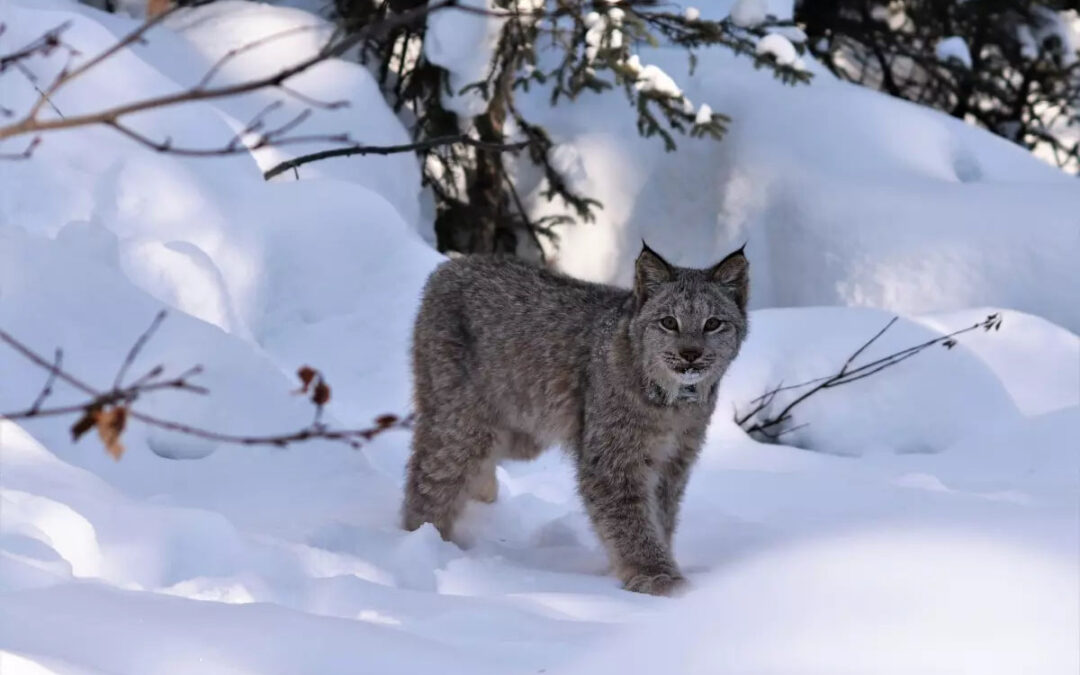
Lynx – Photo by Sara German – USFWS
The Cooke City area of Montana has one of the healthiest whitebark pine forests in the region. Yet now, the Forest Service wants to apply an unscientific method of logging across more than 2,000 acres of these whitebark pine forests on the northeastern border of Yellowstone National Park. Whitebark pine were listed as threatened under the Endangered Species Act in 2022, but this logging project ignores legally-mandated protections for whitebark, as well as for grizzly bears and lynx – which also are listed as threatened. The project’s harms to protected species are why the Alliance for the Wild Rockies, Dr. Jesse Logan, Gallatin Wildlife Association and Native Ecosystems Council filed a lawsuit this week in federal district court. Dr. Logan is a Cooke City resident and retired Forest Service entomologist whose primary research focused on whitebark pine in the Greater Yellowstone Ecosystem.
The Forest Service claims the project is to protect Cooke City from wildfire, but the plan calls for logging well beyond the wildland urban interface — a key reason why the vast majority of Cooke City residents who commented opposed the project.
In total, the project authorizes 3,128 acres of commercial and non-commercial logging and burning. That includes 1,225 acres of deforestation in the Beartooth, North Absaroka, Reef, and Republic Mountain Roadless Areas. It also includes 2,014 acres of logging of trees up to 30-feet in diameter around individual whitebark pines in an unscientific attempt to protect whitebark pine trees from the white pine blister rust. The rust, native to Asia, was introduced to North America around the turn of the twentieth century. It has spread to 38 states and caused substantial damage. However, all peer-reviewed scientific studies show that this type of logging, known as daylight thinning, does not help whitebark pines survive their primary threats of climate change, blister rust, and mountain pine beetle.
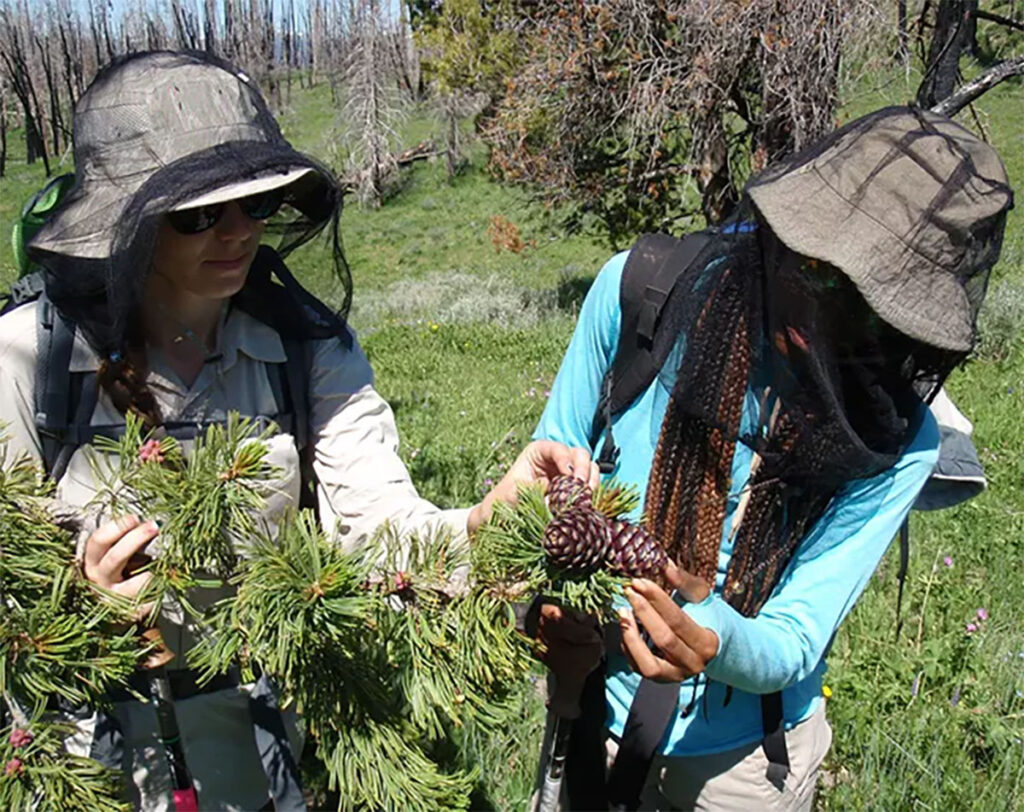
Whitebark Pine – Photo Erin Shanahan – National Park Service
Waste of Money
The Forest Service’s Economic Report discloses the project will result in a net loss to federal taxpayers of a whopping $2,800,000. As the national debt is at a record $38.8 trillion, there is simply no reason the Forest Service should be spending $2.8 million for an illegal logging project on the border of Yellowstone National Park.
The money the Forest Service is wasting on this project could be directed to planting rust-resistant whitebark pine trees, which research does support as a method of preventing whitebark pine from going extinct and pay to harden homes and businesses from wildfire in Cooke City.
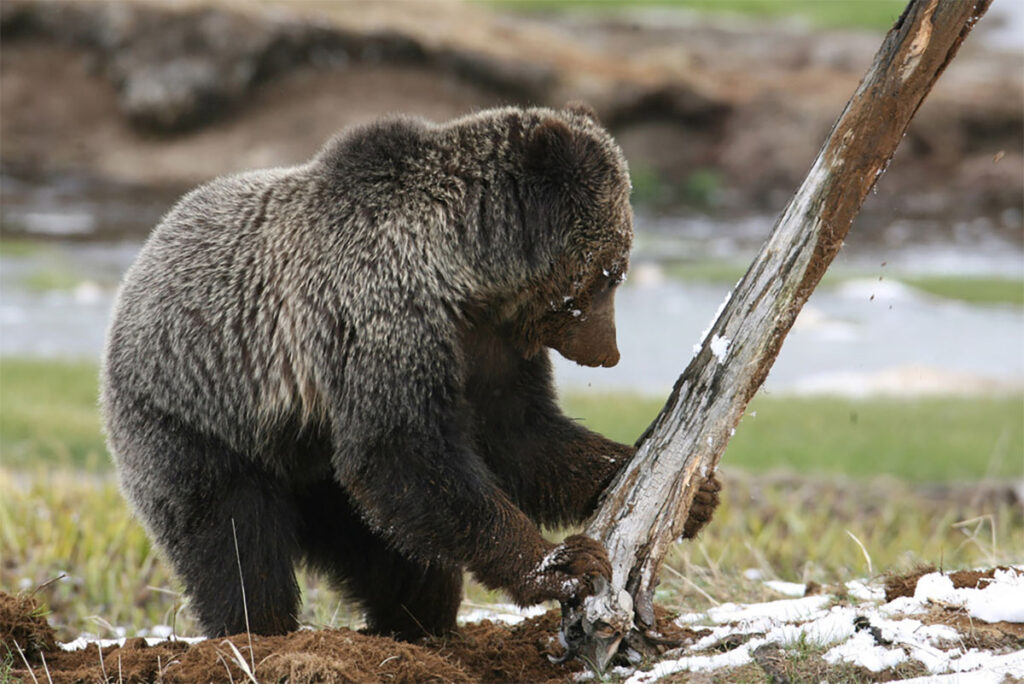
Grizzly bears – Photo by Jim Peaco – National Park Service
We sued the Forest Service last year and won, stopping the South Plateau logging, burning, and road-building project on the western border of Yellowstone National Park. One of the issues on which we prevailed was the agency’s attempt to shrink the definition of secure habitat for grizzlies from 2,500 acres to 10 acres, which is ridiculous for these wide-ranging bears.
The Court’s ruling in that case stated, “In relying on a 10-acre patch size to define grizzly bear secure habitat in the absence of any scientific evidence showing that such acreage provides adequate habitat, the Fish and Wildlife Service’s failed to use the ‘best available science’ in violation of the Endangered Species Act,” adding “grizzly bears in other Ecosystems have been found to need upwards of 2,500 acres of secure habitat.”
The Custer Gallatin National Forest has again applied this 10-acre definition in evaluating the effects of this Cooke City deforestation project. We sent a letter to the Forest Service and Fish & Wildlife Service indicating they intend to pursue an Endangered Species Act claim on this issue.
Please consider helping the Alliance for the Wild Rockies protect the Greater Yellowstone Ecosystem.
Mike Garrity is the Executive Director of the Alliance for the Wild Rockies.