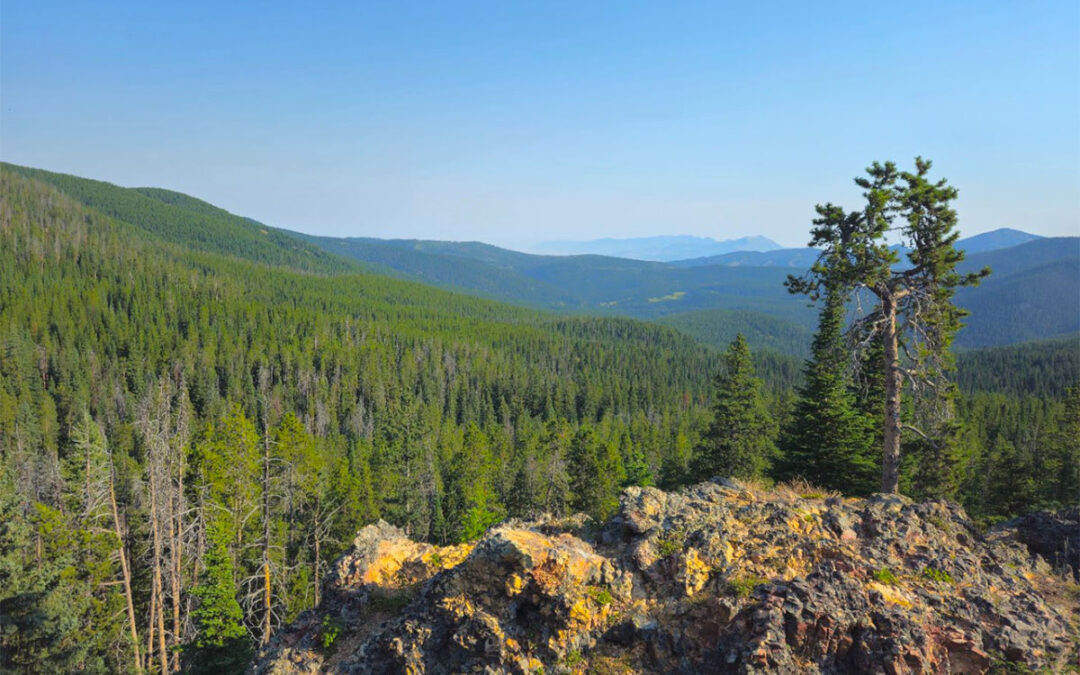
Hyalite Canyon – Photo USFS
The Forest Service recently issued its decision authorizing yet another old growth logging project on Bozeman’s doorstep in Hyalite Canyon. The Alliance for the Wild Rockies filed a lawsuit to challenge the Forest Service’s plan that illogically destroys wildlife habitat, trees, and bulldozes roads.
The project area, which includes the viewshed south of Bozeman, Montana, encompasses 7,905 acres and extends from Hyalite Canyon Road to the west, over the divide, and into the South Cottonwood Backcountry Area.
Wildlife moves north and south in the Gallatin Range and it would be catastrophic for wildlife if the Forest Service severed this corridor like Big Sky did in the Madison Range. The project includes bulldozing 11 miles of new logging roads for commercial logging, non-commercial logging, and intentional burning on 5,657 acres.
We don’t want them to turn this beautiful pristine forest into ugly clearcuts like the Forest Service did to the Hyalite and Sourdough drainages with the Bozeman Watershed logging project.
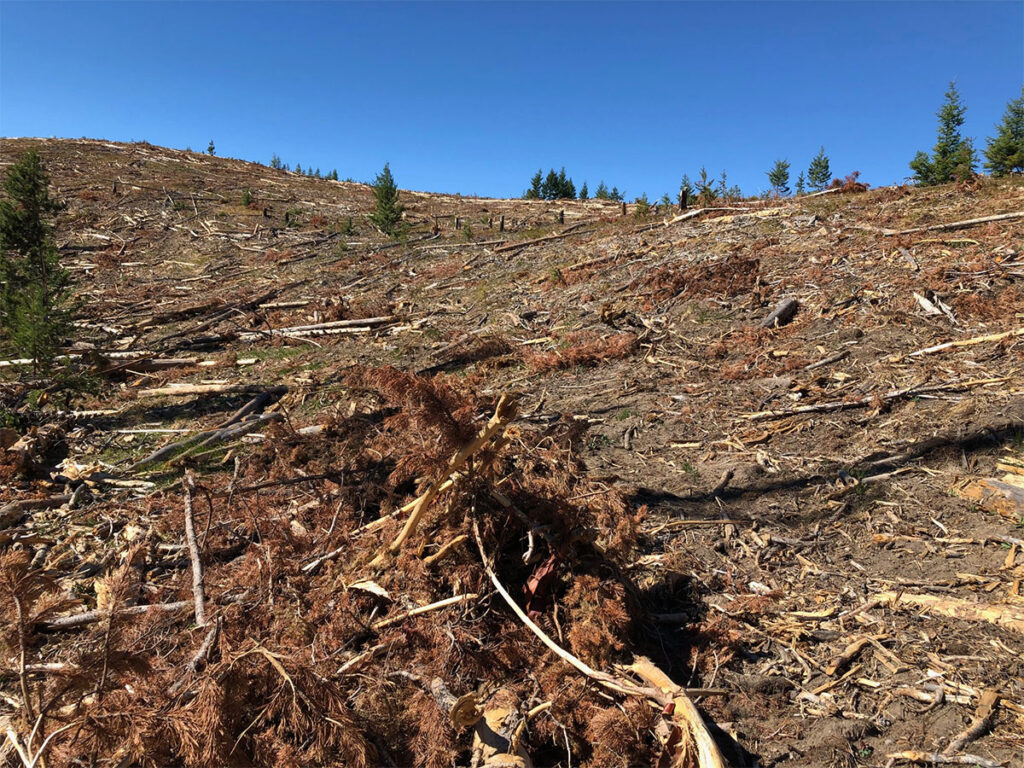 The Tenmile logging project on the Helena National Forest. Photo by Steve Platt
Approximately one-third of the logging includes whitebark pine. Whitebark pines, which are listed as threatened under the Endangered Species Act, can live more than a thousand years, and are considered a keystone species because they increase biodiversity and play a critical role in the life cycle of many other species. Importantly, the seeds of the pine cones are rich in fat and protein, serving as a food source for a variety of wildlife, including grizzly bears, red squirrels, and Clark’s nutcracker. The Forest Service is legally required by the Endangered Species Act to recover whitebark pine—and killing is not recovering.
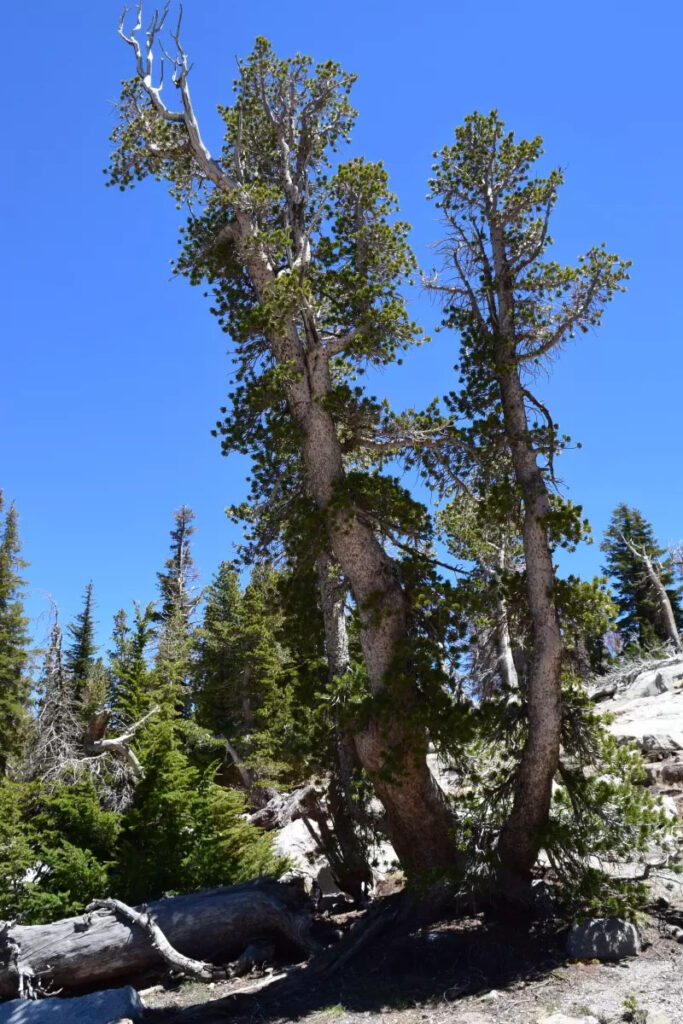
Whitebark Pine – Photo by Diana Tomback
The project proposes cutting down many of the whitebark pine saplings, which can be up to 40 years old. Obviously, killing whitebark pine trees in the project area less than 40 years old is not helping whitebark pines recover.
The Forest Service also violated the National Environmental Policy Act by failing to even disclose the population of goshawk nests in the project area. Goshawk needs dense, mature and old growth forests and this project will destroy goshawk nesting and prey habitat.
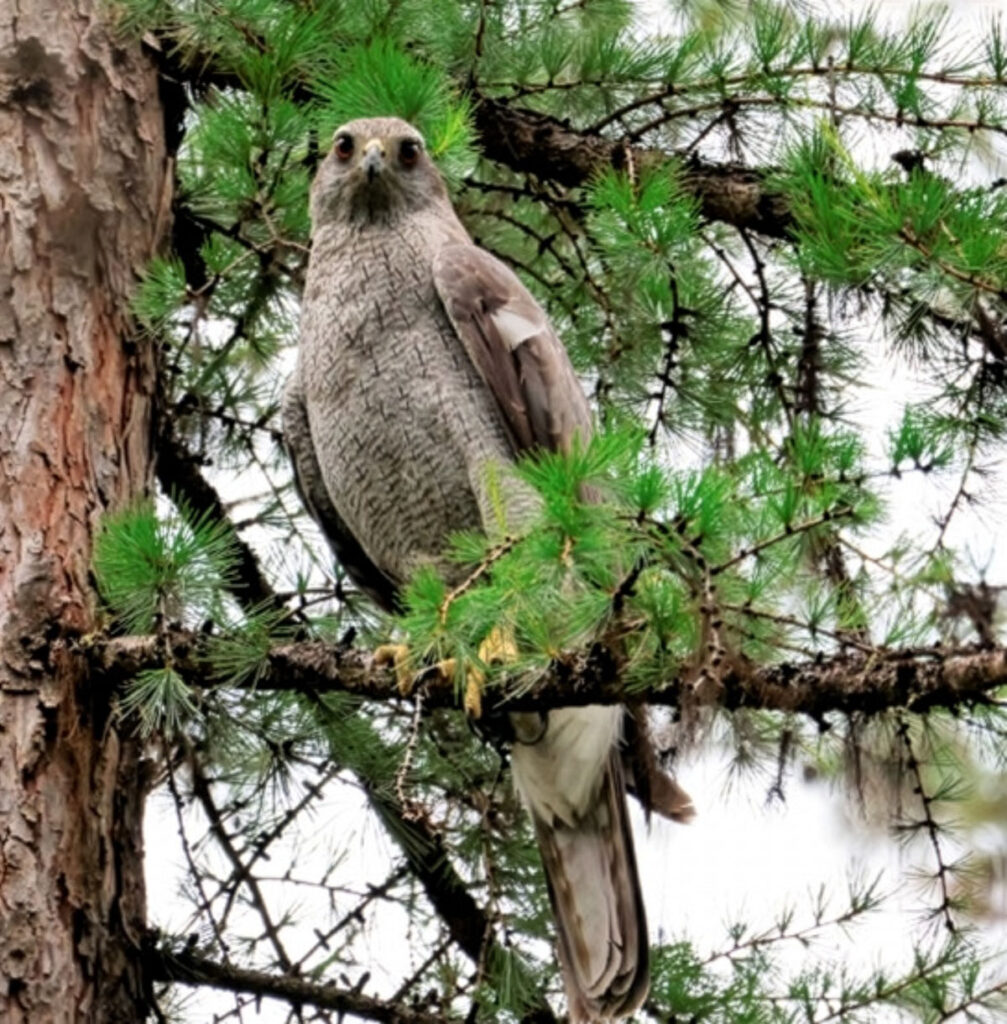
Goshawk – Photo USFS
When we stopped the Forest Service’s South Plateau logging, burning, and road-building project on the western border of Yellowstone National Park last year one of the issues we won on was the attempt by both the Forest Service and US Fish and Wildlife Service to define grizzly secure habitat as merely ten acres. This would allow the agency to bulldoze more logging roads and clearcut more forests. The Project we are challenging between Hyalite and South Cottonwood contains this same deficiency.
Supposedly this project is to keep homes from burning, but includes logging well beyond the legal definition of what is considered the wildland urban interface. This is another issue we recently won in a court case on the Flathead National Forest. As Jack Cohen, the retired director of the Forest Service fire lab in Missoula recommended, the best way to protect homes from wildfires is to help residents harden their homes against wildfires is by having non-flammable roofs and decks and trimming trees right next to homes—not logging Bozeman’s pristine wildlife habitat miles from the homes.
The Trump administration is working overtime to clearcut as much of our national forests for the timber industry as they can get away with, including in the Gallatin Range. The Forest Service has severely limited public comment for projects that would have previously provided multiple opportunities for the public to speak out about the proposed logging; and now, our only option to protect the ancient forests outside Bozeman is to challenge the agency’s decision in court. Without hiring attorneys, we cannot file the lawsuits necessary to maintain the status quo in our forests through the second Trump Administration. Please consider donating to our efforts.
Mike Garrity is the Executive Director of the Alliance for the Wild Rockies